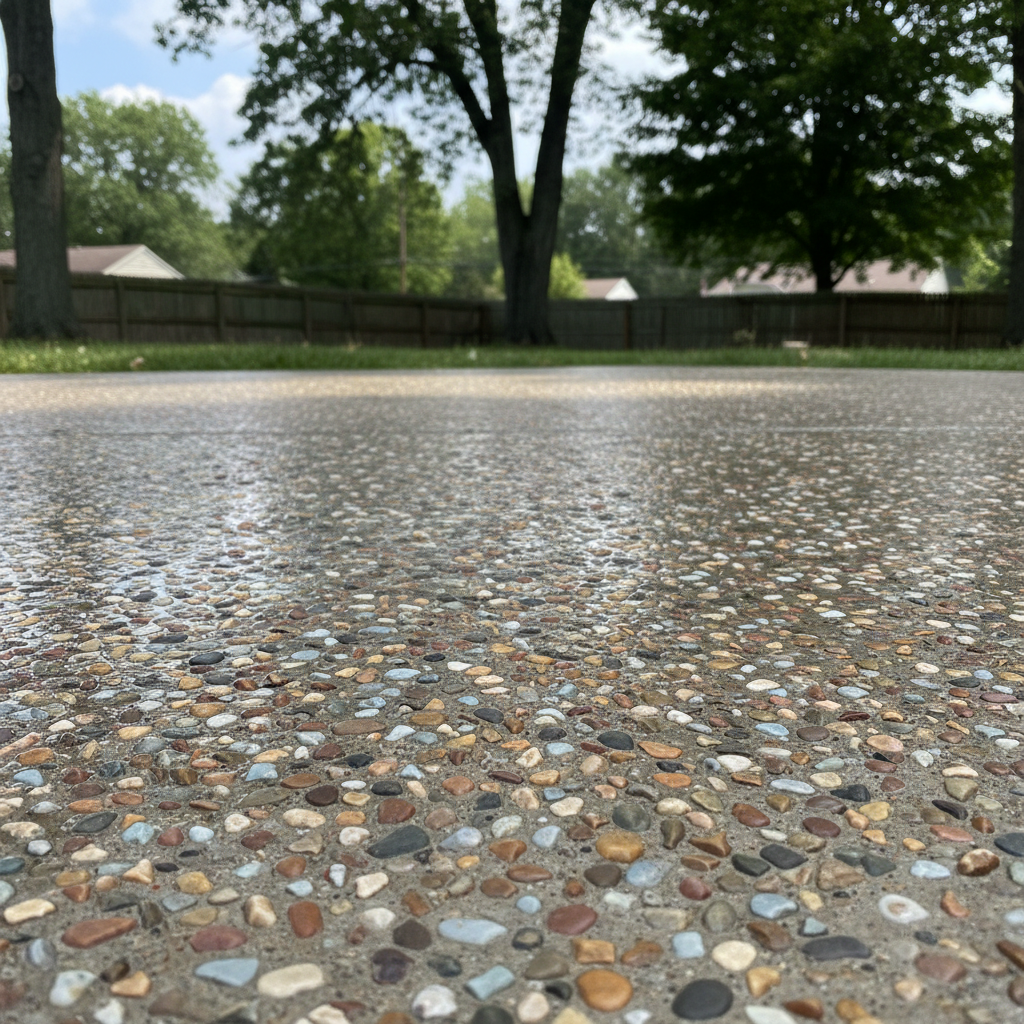
What's the best time of year to pour concrete in Cranston?
Honestly, this is one of the first things people ask us, and it's a really good question. Here in Cranston, with our classic New England weather, the best time to pour concrete is usually late spring through early fall. So, think May right up to October. You really want consistent temperatures, ideally between 50 and 80 degrees Fahrenheit, and not too much rain, you know? When it's super hot, the water in the mix evaporates way too fast, and that can lead to cracking. If it's too cold, the concrete cures slowly, meaning it doesn't get strong enough and can actually be damaged by freezing water before it's fully set. Sure, we've done pours in colder weather, but that needs special stuff like insulating blankets and admixtures, which can definitely add to the cost. For most residential jobs, sticking to those milder months just makes a lot more sense.
How long does concrete take to fully cure?
This is another common misconception people have. Folks often think once it's hard, it's finished. Not true at all. Concrete gets about 70% of its strength in the first 7 days, but it keeps curing and getting stronger for up to 28 days – sometimes even longer. During that first week, you really, really need to be careful. Don't drive heavy vehicles on it, don't drag anything heavy across it, and try to keep it moist. We call that 'curing,' and it's super important for how strong and durable it ends up being. We usually tell people to stay off it for at least 24-48 hours if they're just walking, and a week for light vehicle traffic. But for full strength, give it the whole month. It's a patience game, but boy, does it pay off.
Do I need rebar or mesh in my concrete slab?
For pretty much any exterior concrete slab around your home — whether it's a driveway, a patio, or a walkway — you absolutely should have some kind of reinforcement. I wouldn't even do a job without it, frankly. Now, rebar (those steel reinforcing bars) or welded wire mesh don't stop cracking entirely; concrete cracks, that's just what it does. What they *do* is hold those cracks tightly together. This keeps them from opening up and becoming bigger structural problems. For driveways, especially if you're in an older Cranston neighborhood like Edgewood where the soil can be a bit more reactive, I almost always recommend rebar. For sidewalks or smaller patios, mesh might be enough. It's all about adding tensile strength, because concrete is incredibly strong when you push on it, but it's weak when you pull it apart. The reinforcement helps it resist those pulling forces.
What causes concrete to crack, and can it be prevented?
As I just mentioned, concrete cracks. It's a basic characteristic of the material itself. Think of it this way: concrete shrinks as it dries and cures. That shrinkage creates internal stresses, and when those stresses get too high, it cracks to release the tension. Other things that cause cracks include poor sub-base preparation (if the ground underneath isn't stable), heavy loads, freeze-thaw cycles (which we get plenty of here in Rhode Island, don't we?), and improper curing. Can you prevent it entirely? No, you can't. But you *can* control where it cracks. That's what control joints are for — those lines we cut or tool into the concrete. We put them in specific spots so the concrete cracks neatly along those lines, making them much less noticeable and keeping the slab structurally sound. Proper sub-base, reinforcement, control joints, and good curing practices are your best defense.
How do I maintain my new concrete?
Once your concrete is fully cured, keeping it up isn't a huge chore, but it's really important for how long it lasts. The biggest thing I recommend is sealing it. A good quality sealer, put on every 2-5 years (depending on the product and how much traffic it gets), will protect it from water getting in, oil stains, and the harsh effects of de-icing salts. Those salts are brutal on concrete, especially in winter. When it comes to cleaning, just regular sweeping and an occasional wash with a hose and a mild detergent is usually enough. Avoid harsh chemicals or power washers set too high, as they can damage the surface or strip the sealer right off. If you spill something like oil or grease, try to clean it up as fast as you can. Simple stuff, really, but it makes a big difference over the years.
What's the deal with drainage? Why is it so important for concrete?
Drainage is absolutely critical, and it's something I pay super close attention to on every single job, whether it's a new patio or a driveway replacement. Water is concrete's biggest enemy, especially when it's allowed to sit against or under it. If water pools on your concrete, it can seep into tiny cracks, freeze, expand, and cause those cracks to get even bigger — that's called spalling or heaving. If water collects under a slab, particularly with our clay-heavy soils in some parts of Cranston, it can erode the sub-base, leading to settlement and uneven surfaces. When we pour concrete, we always make sure there's a slight slope, usually about 1/8 to 1/4 inch per foot, to direct water away from your house foundation and right off the concrete surface. Good drainage protects both your concrete investment and your home.
Look, concrete is a fantastic, durable material when it's done right. Here at Synergy Concrete & Masonry, we've been doing this for a long time, and these are the kinds of questions we get every single day. Don't hesitate to ask if you've got more; that's what we're here for.