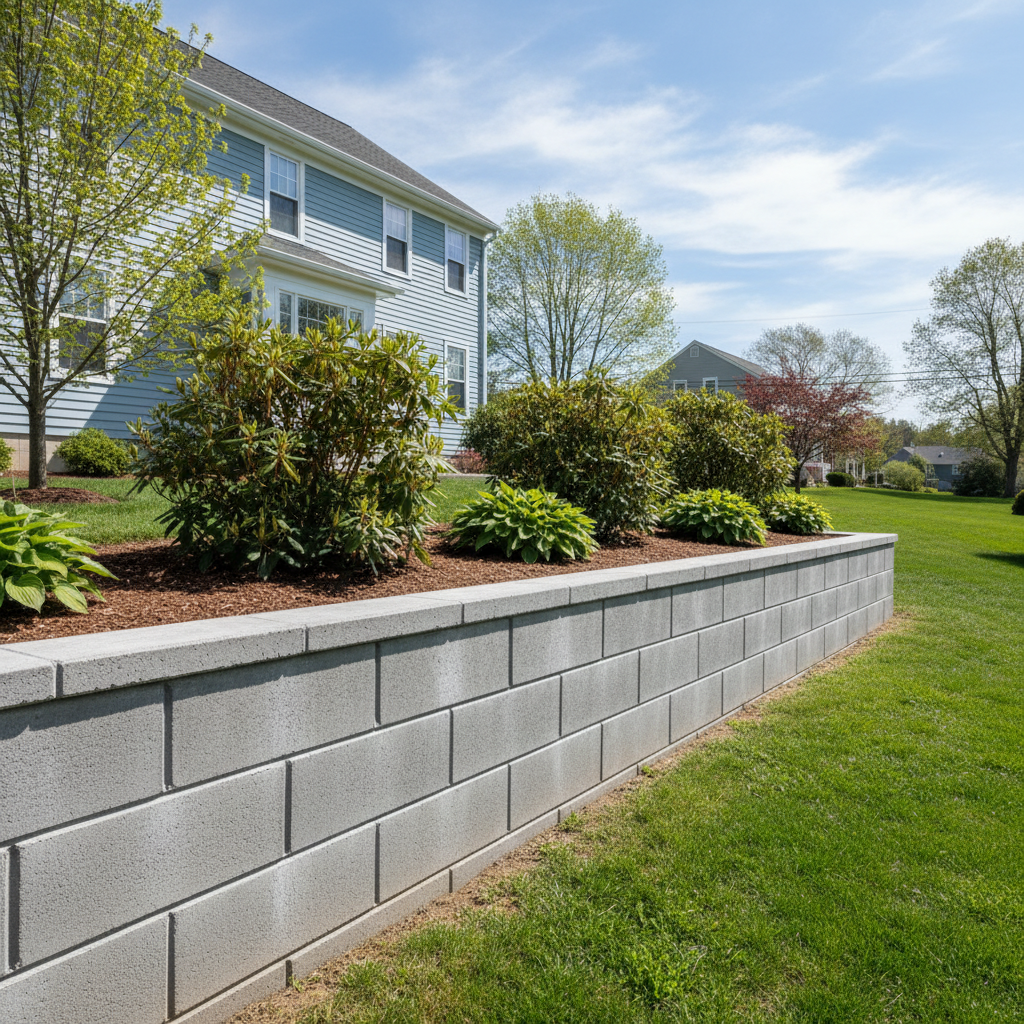
You've got a concrete retaining wall on your property, and whether I built it or someone else did, you want it to last. That's smart thinking, especially here in Cranston where our winters can be brutal and the freeze-thaw cycle really puts things to the test. A good retaining wall isn't just about holding back dirt; it's an investment in your property's stability and curb appeal. So, let's talk about how to keep that investment solid for decades.
Extending Your Wall's Lifespan: It's All About Protection
The biggest enemy of any outdoor concrete structure around here is water. It gets in, it freezes, it expands, and then it thaws, leaving behind cracks and weaknesses. That's the freeze-thaw cycle I mentioned, and it's relentless. The best way to fight it is to keep water out of the concrete itself as much as possible.
First, think about drainage. When we build a wall, we always put in proper drainage behind it – usually a perforated pipe and gravel backfill. This is critical. If that drainage gets clogged, water builds up, and that hydrostatic pressure is a huge problem. Make sure downspouts aren't dumping right onto or behind your wall. Redirect them if they are.
Second, consider sealing. I'm not talking about painting it, but a good quality penetrating concrete sealer. You can apply these yourself, or we can do it for you. They don't change the look of the concrete much, but they create a barrier that repels water, making it much harder for moisture to get absorbed. I usually recommend reapplying a sealer every 3-5 years, depending on the product and how much sun and weather your wall gets. It's a small effort that pays off big time.
Lastly, keep an eye on the soil around the base. Erosion can expose the footer, which isn't good. If you see the ground washing away, bring in some fresh soil or gravel to build it back up.
Regular Maintenance: Simple Checks, Big Impact
Maintaining your retaining wall isn't rocket science, but it does require a little attention. Think of it like checking the oil in your car – quick checks prevent bigger problems.
- Clean it up: Periodically, usually in spring and fall, clear away any dirt, leaves, or debris that have accumulated at the base or on top of the wall. This prevents moisture from being trapped against the concrete and keeps the drainage clear.
- Look for plant growth: Weeds or even small shrubs trying to grow in cracks are bad news. Their roots will expand those cracks over time. Pull them out as soon as you see them. If you have vines growing on the wall, be careful. While they can look nice, their tendrils can work into mortar joints or small cracks and cause damage.
- Inspect the drainage: If you have an exposed weep hole or drain pipe, make sure it's not blocked. Sometimes critters or debris can clog them up. A quick poke with a stick can clear it.
- Check the top cap: If your wall has a capstone, make sure it's still firmly in place and the mortar joints are sound. These caps are often the first line of defense against water getting into the wall's core.
Warning Signs: Don't Ignore These Red Flags
Your wall will usually tell you when something's wrong, you just have to know what to look for. Catching these issues early can save you a lot of money and headache down the road.
- Cracks: Small hairline cracks are often normal, especially with temperature changes. But if you see cracks that are wider than a credit card, or if they're getting longer, wider, or show signs of movement (like one side of the crack being higher than the other), that's a problem. Vertical cracks are often less concerning than horizontal ones, which can indicate serious pressure.
- Bulging or Leaning: This is a major red flag. If any section of your wall looks like it's pushing outwards, or if it's leaning noticeably, that means the pressure behind it is too much for the wall to handle. This usually points to drainage issues or a failure in the wall's structural integrity.
- Water Seepage: If you see water consistently weeping out of the wall face itself, not just from a weep hole, it means water is trapped behind it and is finding its way through the concrete. This is a sign of poor drainage and can lead to freeze-thaw damage.
- Efflorescence: Those white, powdery stains on the concrete? That's efflorescence. It's mineral salts left behind when water evaporates from the concrete. While not directly damaging, it's a clear sign that water is moving through your wall. If it's extensive, it indicates a significant moisture issue.
When to Call Synergy Concrete & Masonry
Look, you can handle the basic cleaning and sealing. But some things are best left to the pros. If you see any of those major warning signs – significant cracks, bulging, leaning, or persistent water issues – don't wait. These problems can escalate quickly, especially with our heavy spring rains or a particularly harsh winter.
When you call us at Synergy Concrete & Masonry, we'll come out, assess the situation, and give you an honest opinion. Sometimes it's a simple fix, other times it might require more extensive repair or even a partial rebuild. We've seen it all, from walls in Edgewood dealing with sandy soil to those in more rocky areas of Cranston. Getting an expert eye on it early can prevent a small issue from becoming a complete wall failure, which is a much bigger, more expensive headache. Don't let a small crack turn into a big problem – give us a call.